Yard Care for Dog Owners: Protecting Your Lawn From Waste Damage in 2026
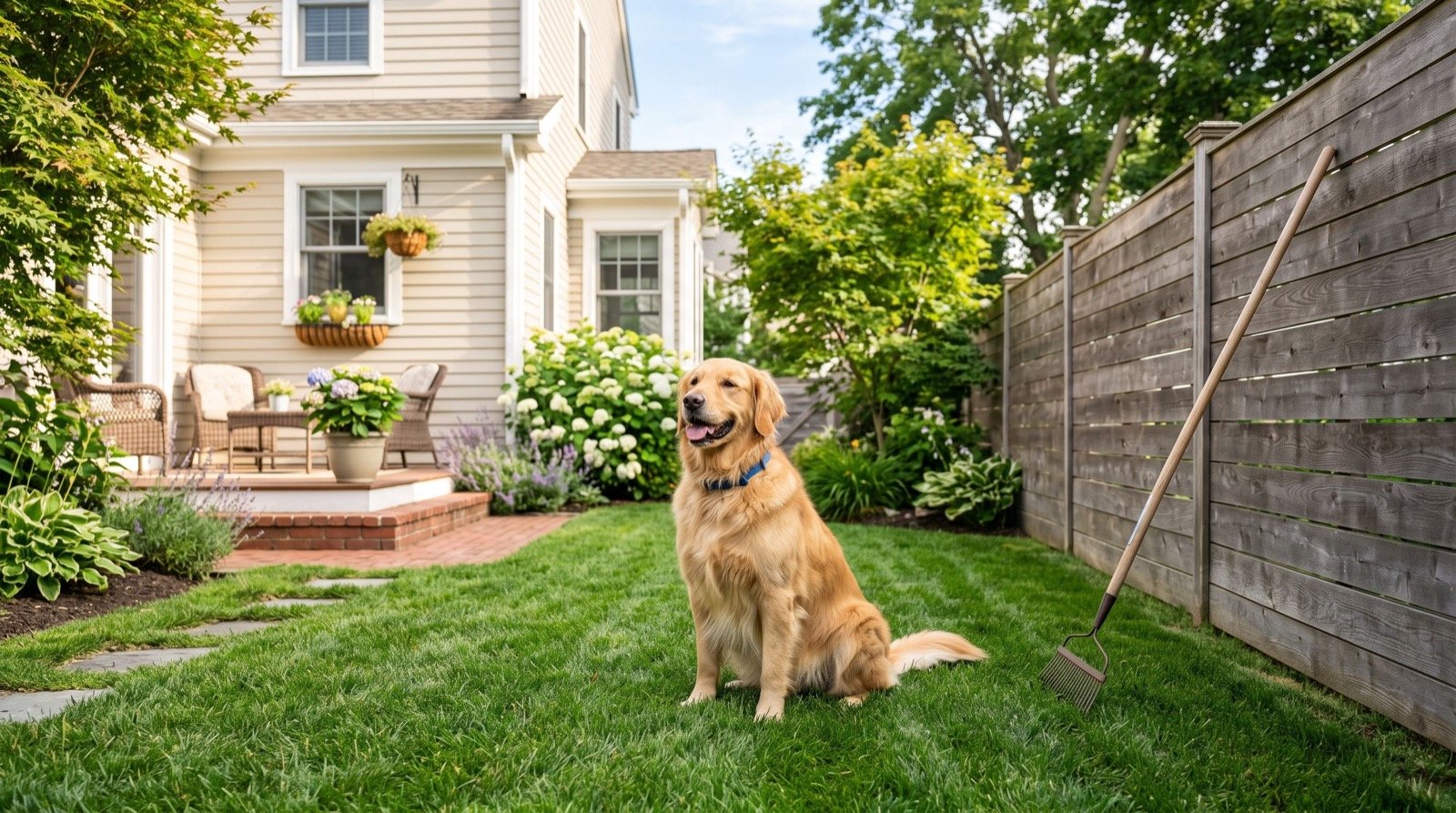
A healthy, green lawn and a happy dog should not be mutually exclusive. Yet every spring, homeowners across the country discover the same frustrating pattern: yellow burn spots, patchy turf, and a lingering odor that no amount of watering seems to fix. If you own a dog, understanding yard dog waste management is one of the most overlooked parts of lawn care, and it deserves the same attention you give to mowing, fertilizing, and weed control.
The good news is that protecting your grass from dog waste damage does not require giving up your pet’s outdoor freedom. With the right routine, the right tools, and a bit of consistency, you can keep your lawn looking like a showpiece while your dog still gets to enjoy the yard every single day.
Why Dog Waste Damages Grass
Dog urine and feces are both high in nitrogen. In small amounts, nitrogen actually helps grass grow. In concentrated amounts, however, it overwhelms the grass blades and roots, causing what most people call “lawn burn.” The result is a ring of dead or discolored grass, often surrounded by a darker green halo where diluted nitrogen acted as fertilizer.
Solid waste compounds the problem. Left on the lawn, feces smother grass blades, block sunlight, and create a breeding ground for bacteria and yard pests. Flies, gnats, and even rodents are drawn to unmanaged waste, turning a simple lawn care issue into a broader pest and sanitation concern for the whole yard.
How Often Should You Scoop to Protect Your Turf?
This is the question most dog owners eventually ask once they notice the first burn spot. The honest answer: daily removal of solid waste is the single most effective habit you can build. Waiting two or three days allows waste to break down into the soil, releasing nitrogen and bacteria that are much harder to rinse away.
For urine damage, the fix is simpler. Keep a hose or watering can nearby and flush the spot with water within eight hours of your dog urinating there. Dilution is the only proven way to reduce nitrogen concentration before it scorches the grass. Training your dog to use a designated gravel or mulch patch, rather than the open lawn, also helps enormously over time.
Building a Daily Yard Patrol Routine
A consistent routine turns yard maintenance from a chore into a quick, five-minute habit. Most experienced dog owners recommend walking the same path each day so no waste gets missed in tall grass or along fence lines.
- Walk the perimeter of the yard first, since dogs often patrol fences and property lines
- Check shaded areas and under shrubs, where waste is easy to overlook
- Scoop immediately after your dog eliminates, rather than waiting until later
- Rinse urine spots with a quick blast of water from a hose
- Dispose of waste in a sealed, heavy-duty bag to prevent odor and pest attraction
Using a proper long-handled tool makes this routine sustainable rather than exhausting. A durable Pooper Scooper metal tool lets you scoop without bending over, which matters if you have a large yard or multiple dogs. Metal construction also holds up far better than plastic against sun exposure and repeated outdoor use, so you are not replacing your scooper every season.
Choosing the Right Bags for Yard Cleanup
Bag quality is where many dog owners cut corners, and it usually backfires. Thin, flimsy bags tear during pickup, leak in the trash can, and often break open mid-walk. That is a hygiene problem as much as it is a lawn care problem, since torn bags mean waste gets left behind in the grass anyway.
Switching to Heavy duty trash bags solves this reliably. Thicker, puncture-resistant bags hold up during scooping, tie securely, and contain odor far better than standard grocery bags. For yard patrol specifically, keep a roll attached to your scooper or stored near the back door so there is never an excuse to skip a cleanup pass.
What About Waste Bins and Composting?
Some homeowners install a small in-ground waste digester, similar to a mini septic system, specifically for pet waste. These systems use enzymes and bacteria to break down waste over time, reducing the volume that ends up in your regular trash. They are worth considering if you have a larger yard and want a long-term solution beyond daily bagging.
Regular composting of dog waste is not recommended for use on vegetable gardens or edible plants, because pathogens in dog feces can survive standard composting temperatures. If you compost pet waste at all, keep it strictly separate from food-related composting and follow guidance from your local extension office.
A Simple Lawn Recovery Plan for 2026
If your lawn already has burn spots, recovery is possible with a structured approach. Follow this sequence for the best results heading into the 2026 growing season.
- Rake away any dead grass and debris from the damaged spot
- Flush the soil thoroughly with water to dilute remaining nitrogen
- Loosen the top inch of soil with a hand rake or cultivator
- Apply grass seed suited to your climate zone, following package spacing guidance
- Lightly cover seed with topsoil or compost and water daily until established
- Keep your dog off the reseeded patch using a temporary barrier or stake fencing
Most cool-season grasses recover within four to six weeks under this plan, while warm-season varieties may take slightly longer depending on temperature and rainfall.
Comparing Common Yard Waste Management Tools
| Tool | Best For | Maintenance Effort |
|---|---|---|
| Metal long-handled scooper | Daily solid waste pickup, larger yards | Low, rinse after use |
| Heavy duty waste bags | Sealing and disposing of waste hygienically | Minimal, single use |
| In-ground waste digester | Long-term volume reduction | Moderate, occasional enzyme refill |
| Hose or watering can | Flushing urine spots to prevent burn | Low, daily use |
Dealing With Yard Pests Drawn to Pet Waste
Unmanaged pet waste is one of the top attractants for flies, and it can also draw in rodents looking for an easy food source in warmer months. A consistent scooping schedule cuts this problem off at the source, since pests need waste to linger for more than a day or two before it becomes a reliable food supply.
If you already have a fly or pest issue near your yard’s waste disposal area, a sealed outdoor bin with a lid helps considerably. Avoid leaving full bags sitting in direct sun for extended periods, since heat accelerates odor and attracts insects faster than shaded storage.
When to Call in Yard Cleanup Professionals
Not every dog owner has the time for daily yard patrol, especially with multiple pets, a demanding work schedule, or a large property. In these cases, hiring help can be the difference between a maintained lawn and one that spirals into a bigger cleanup project.
For yards that have been neglected for a while, or properties dealing with overgrown vegetation alongside waste buildup, bringing in reliable local experts can reset the whole space efficiently. Professional crews can clear built-up debris, restore walkable areas, and give you a clean baseline to maintain going forward with your own routine.
Frequently Asked Questions
Does dog urine always kill grass?
Not always, but repeated urination in the same spot without dilution almost certainly will. The nitrogen concentration is the deciding factor, so flushing the area with water shortly after your dog goes is the most reliable prevention method.
Is a metal pooper scooper better than a plastic one?
Yes, for most households a metal pooper scooper holds up significantly better over time. Plastic models tend to crack under UV exposure and can become brittle within a season or two, while metal tools resist wear and stay functional through repeated daily use.
How long does it take for dog poop to damage a lawn?
Damage can begin within 24 to 48 hours if waste is left on grass, especially in hot or humid conditions. That is why same-day removal is consistently recommended over a once-a-week cleanup schedule.
Can I use dog waste as fertilizer?
It is not recommended. Dog feces can carry parasites and pathogens that are not eliminated through typical home composting, so it should never be applied to lawns, gardens, or edible plants as fertilizer.
A Practical Tip Worth Adopting
One small habit makes a noticeable difference: keep a dedicated five-gallon bucket with a lid near your yard’s exit point, lined with a heavy duty bag. Every time you scoop, drop waste directly into the bucket instead of carrying loose bags to an outdoor trash can. When the liner is full, tie it off and replace it. This keeps odor contained, reduces trips, and makes your daily yard patrol faster than searching for a bin each time.
According to the EPA’s guidance on pet waste management, improperly disposed pet waste can also contribute to bacteria and nutrient runoff into local waterways, which is another reason consistent scooping matters beyond just your own lawn’s appearance. Treating yard patrol as part of responsible pet ownership, not just a chore, tends to keep owners more consistent with the habit long term.
Final Thoughts on Yard Dog Waste Management
Keeping a healthy lawn while owning a dog comes down to consistency, the right tools, and understanding why waste damages grass in the first place. Daily scooping, prompt urine dilution, and durable equipment go a long way toward preventing burn spots before they start. Heading into 2026, a simple routine paired with quality gear can keep your yard green, safe, and enjoyable for both your family and your dog.